

Anti-Jamming & Anti-Spoofing Case Study
Selecting optimal protection strategies for resilient GNSS systems
As reliance on GNSS continues to grow across critical infrastructure, the risks associated with jamming and spoofing attacks are increasing in both frequency and sophistication.
Effective protection requires a deep understanding of the interference environment and the ability to respond with the right mitigation strategies.
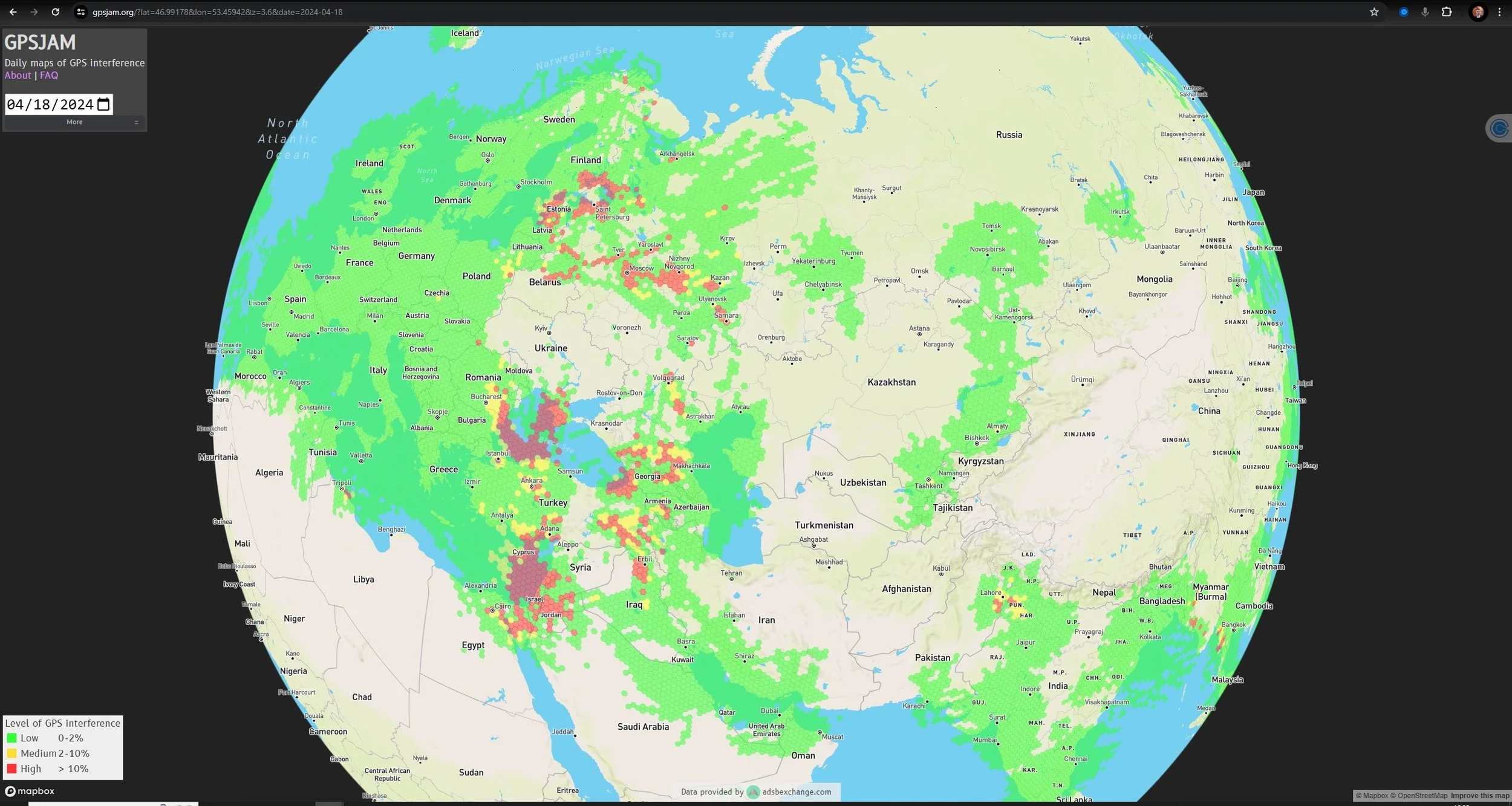
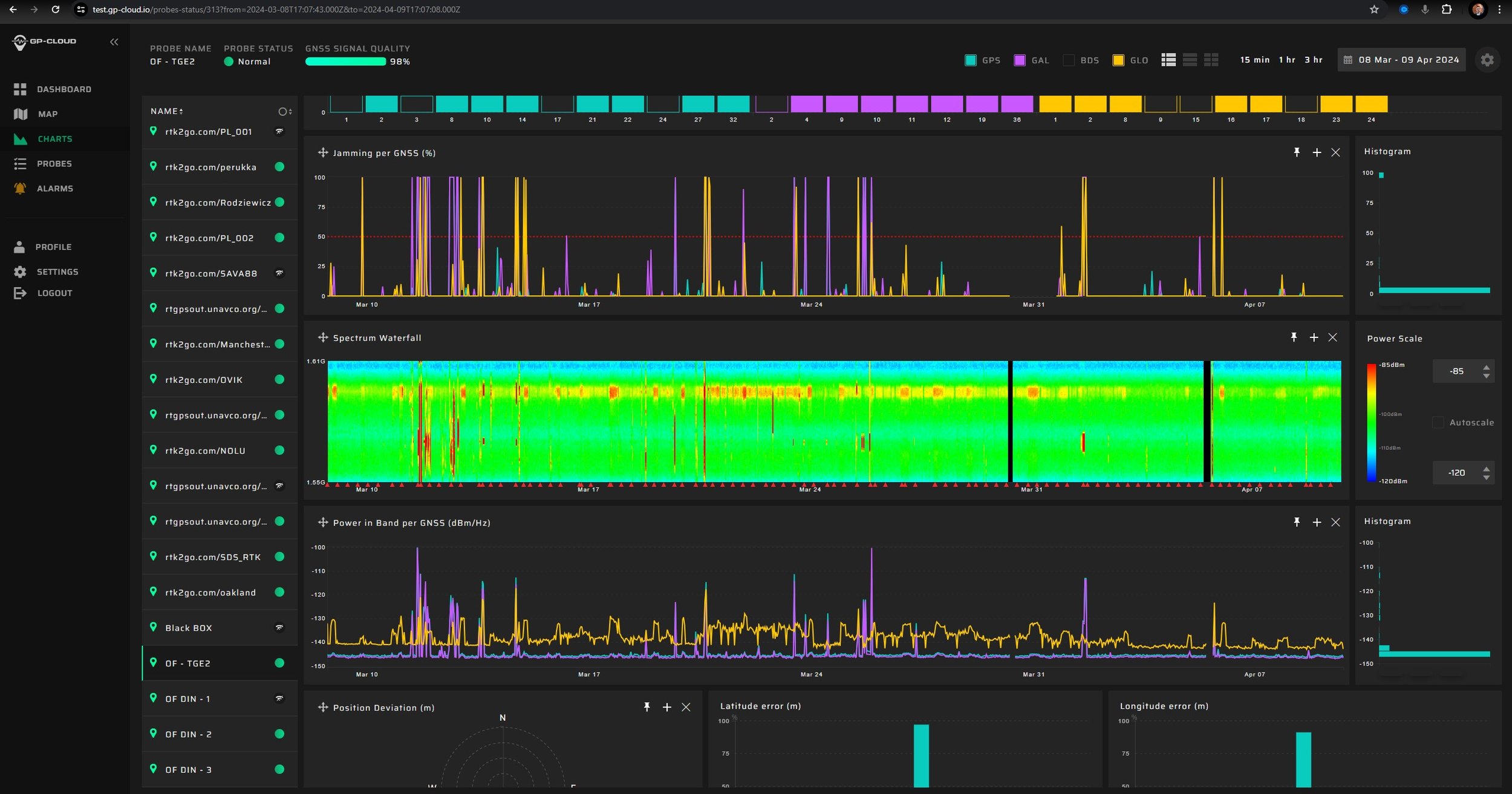
Selecting Optimal Protection Strategies
To develop an optimal GNSS interference mitigation solution, you need to analyse the GNSS interference prevalent in your area. You need to know what you’re dealing with.
Spoofing? Coherent or non-coherent? How long does it usually last — a few minutes or a few days?
What constellations are being attacked?
There are many questions to be asked, and you need to know the answers to them to be able to choose the optimal countermeasures.
Operators of critical infrastructure that relies on GNSS need to consider various options for protection against spoofing and jamming. The available countermeasures vary depending on the specific application requirements.
How GPSPatron Helps
Deep Interference Analysis
Understand the exact nature, duration, and type of GNSS interference affecting your systems.
Accurate Classification
Distinguish between spoofing and jamming to apply the correct mitigation strategy.
Data-Driven Decisions
Use real-world data to select the most effective protection methods.
Tailored Defence Strategies
Adapt protection approaches to your specific operational environment and risk profile.
The GPSPATRON system provides comprehensive and in-depth data on GNSS interference that is essential for effectively developing and implementing protection methods against spoofing and jamming.
Find out more about these challenges and how GPSPatron systems can provide you with the insights you need to develop and implement protection methods — enabling you to tailor your defence strategies to best meet your specific needs.